
WTP Analysis Throughout the Product Lifecycle Stages
Pricing is an always evolving strategy that adapts throughout the phases of a product's lifecycle. Willingness to Pay (WTP) data ensures you stay informed in every stage from Product Development, to End-of-Life (EOL).
Important Note: One WTP Study is not enough to cover the whole Product lifecycle, which could be several years. We recommend that you launch continuous studies, both to help determine at what Lifecycle stage you are at, as well as take well informed and up-to-date decisions.
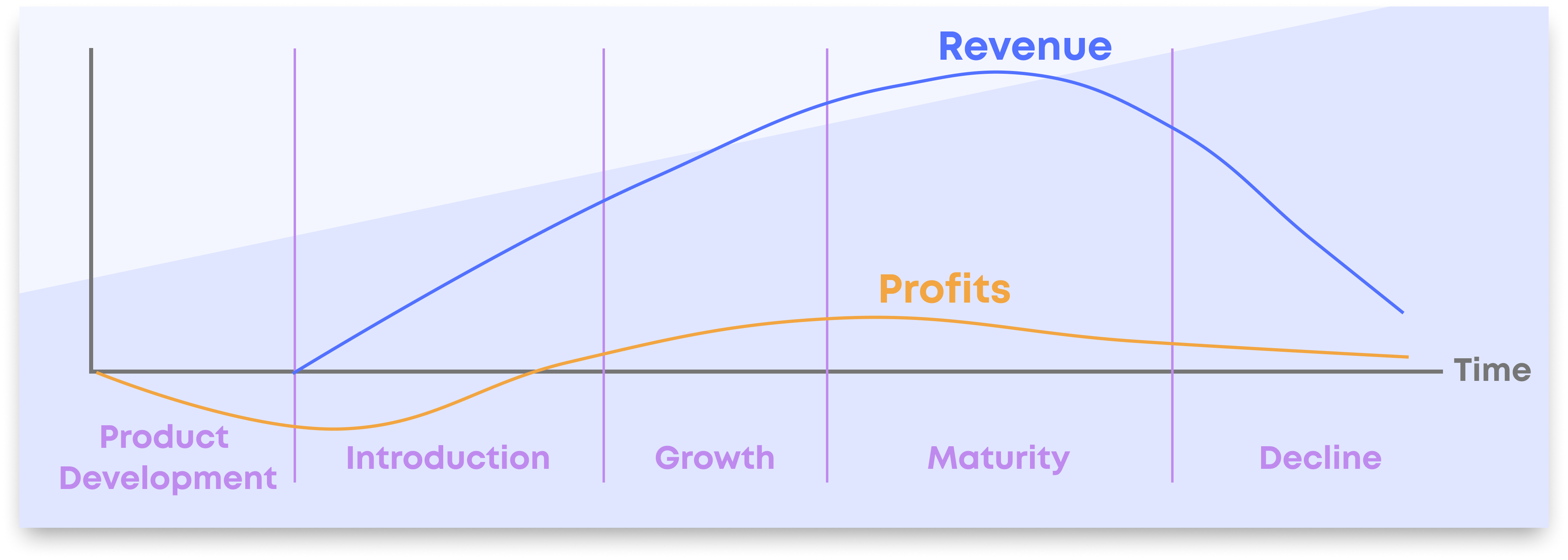
Product Development: Validating Value Pre-Launch
The initial pre-revenue phase focuses on Product Development, including testing features, size variations, and specific market or segment viability.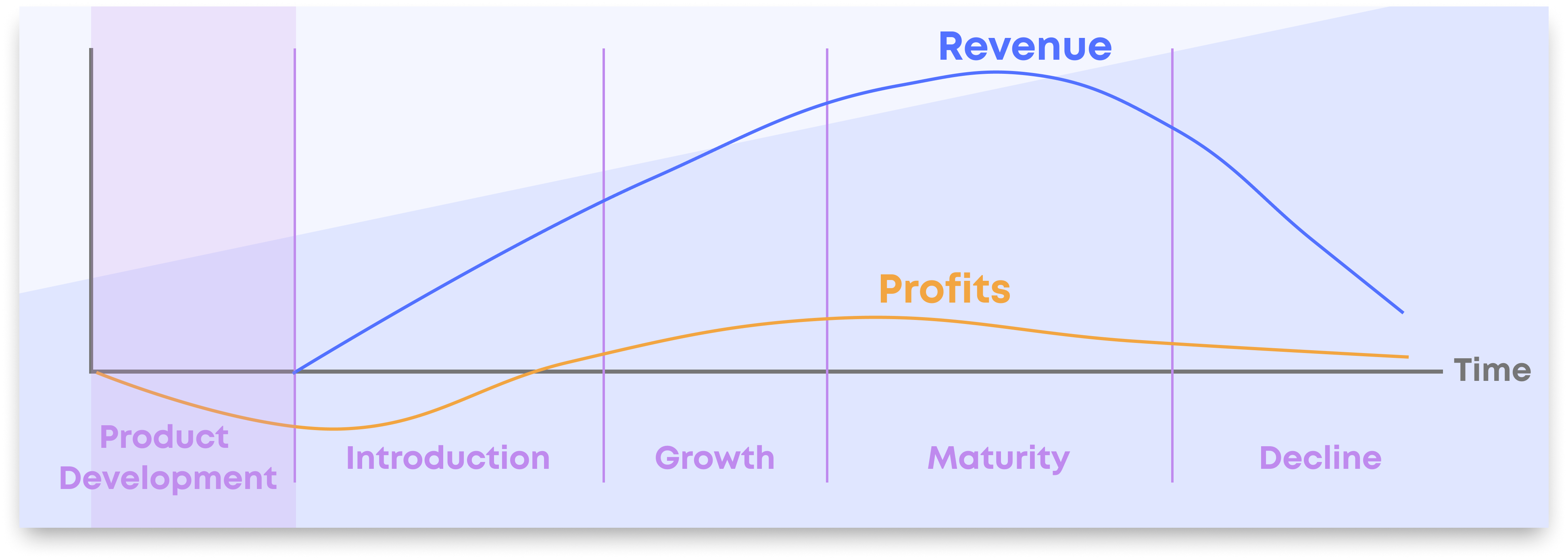
How to utilize Priceagent in this stage:
- Uncover if there is an initial a willingness to pay - create a Price Check to see if there is a WTP demand from the market for te product you are, and let it guide you to an initial understanding of how much cost you can spend per product to do a hypothesis of margins and profitability.
- Uncover Value Drivers: Find out which specific features or benefits most influence customers' purchasing decisions and what features they are willing to pay for. Create a Price Discovery to understand what attributes drives willingness to pay - and what attributes are indifferent. This can guide your product development decisions, such as deciding on how to develop a limited edition preimium product, versus the standard product.
- Segment Testing: Test WTP across potential target groups (e.g., gender, income, location) to see which segment has the highest willingness to buy. This can be explored in both previous stages mentioned.
Introduction: Setting the Launch Price
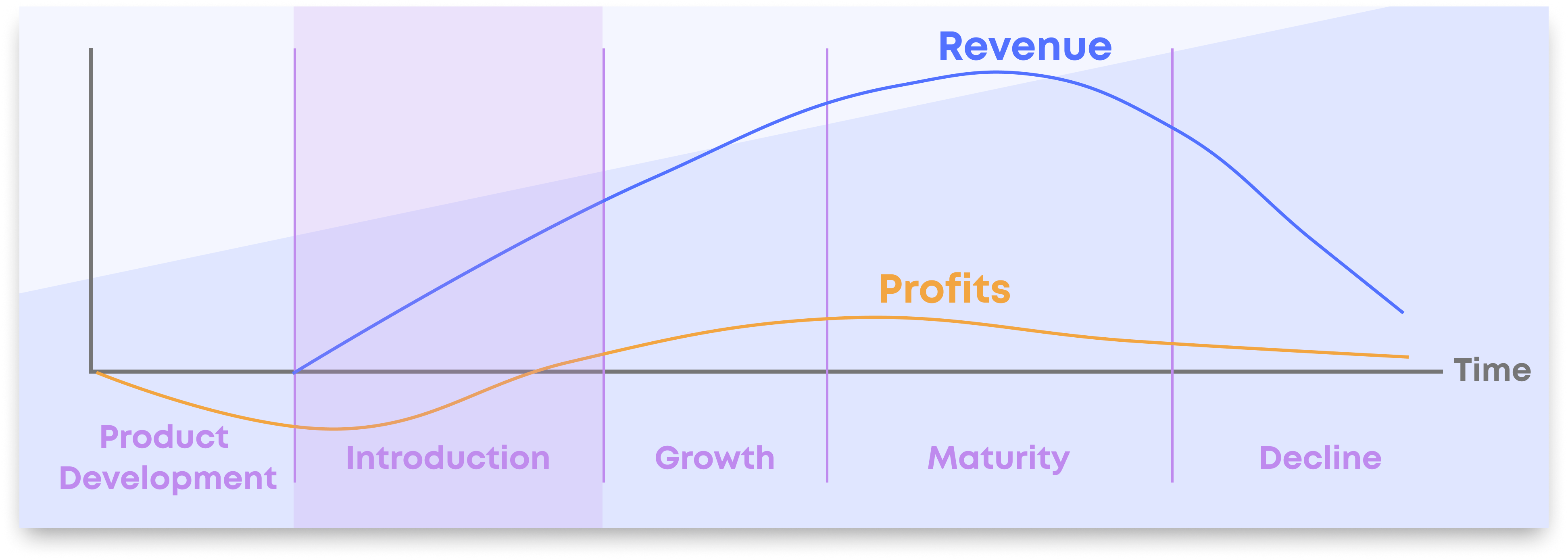
During the Introduction to market , the focus shifts to the launch price, aiming to maximize initial adoption and market entry.
Priceagent's Role: Identify the exact price point that optimizes your primary launch objective.
- Determine Maximum Demand Price Point: Pinpoint the price that generates the highest sales volume.
- Determine Maximum Reveue Price Point:: Find the price that maximizes overall turnover.
- Based on your Business Goal, launch your product at the preffered Price Point. In general, we recommend the Maximum Demand Price Point.
Read more about our Price Points
Growth: Maximizing Revenue and Market Share
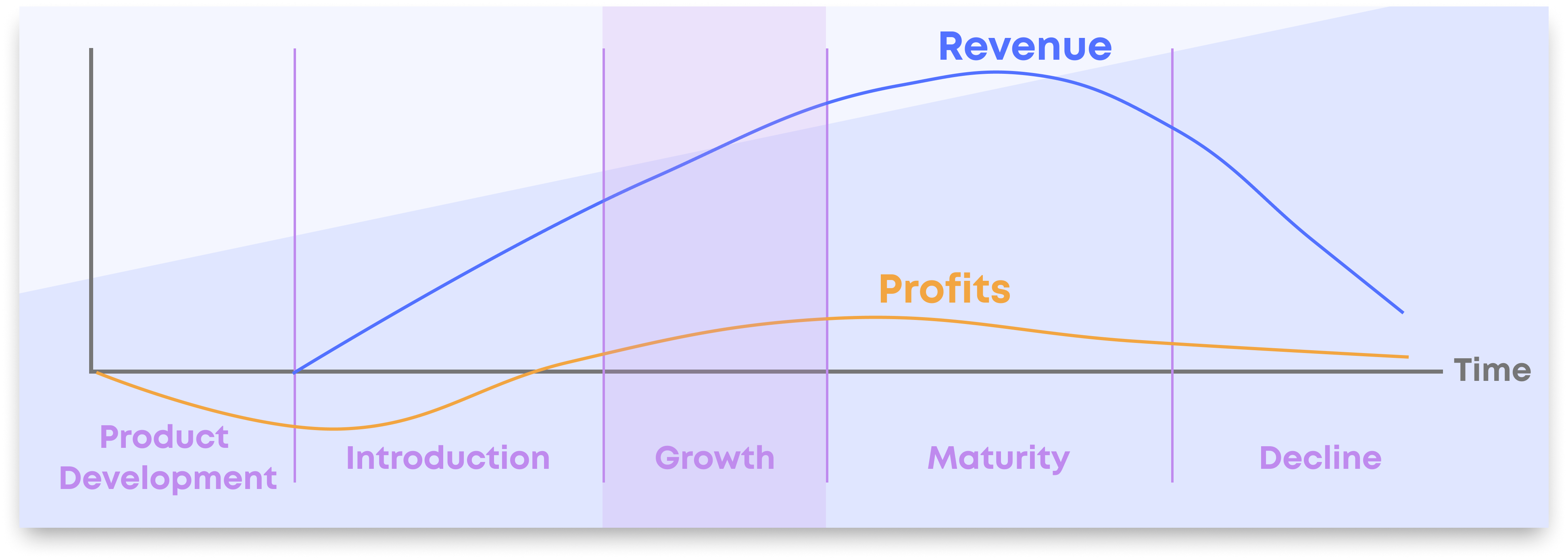
The Growth phase is characterized by scaling, finding the right price balance between high revenue and demand, and actively building market size.
Priceagent's Role: Provide dynamic insights to manage price sensitivity and optimize price adjustments.
- Spot Price Walls: Identify your Price Walls: precise price points that, when exceeded, cause a sharp drop in volume.
- Identify Price Plateaus: Identify if your prices are on a Price Plateau - where unit volume remains stable despite a price increase, indicating a safe opportunity to raise prices without losing customers.
- Target Attractive Segments: Focus sales efforts on the customer segments that show the highest willingness to pay.
Read more about Price Plateaus & Walls or Demographic Analysis
Maturity: Sustaining Users and Revenue
In the Maturity phase, the market is saturated, and the primary focus is to keep users (retention) and appeal to late bloomers.
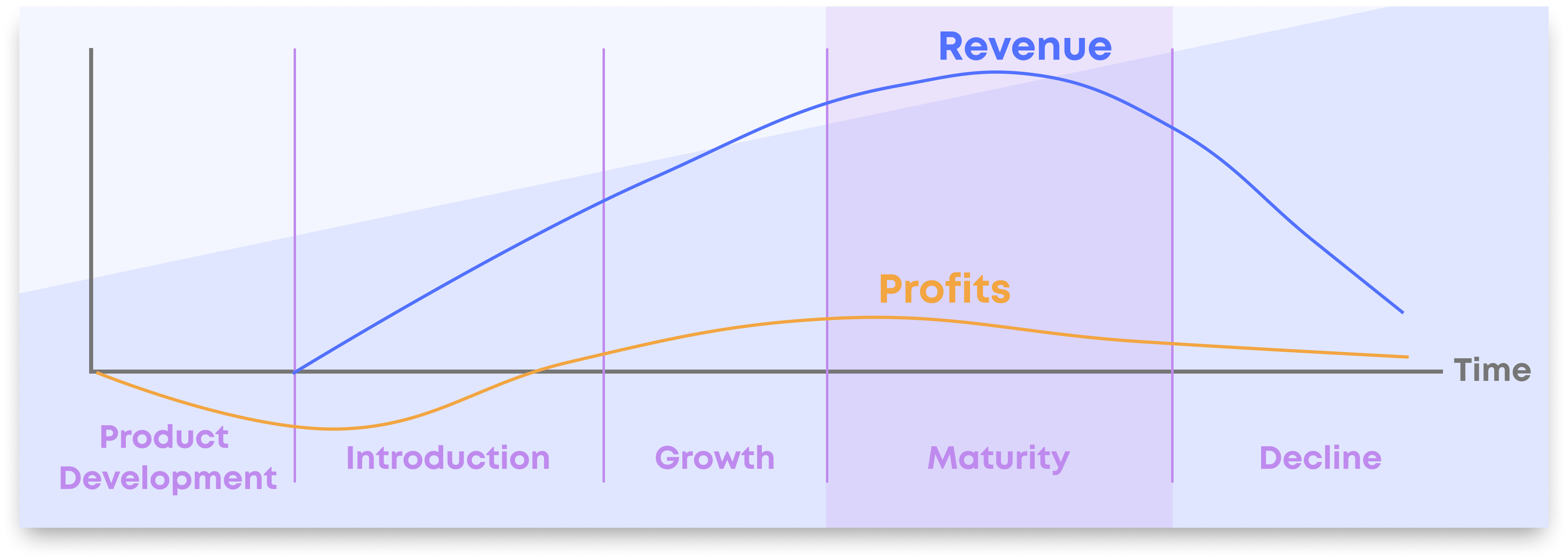
Priceagent's Role: Offer insights for defensive and offensive pricing strategies.
- Competitive Analysis: Compare your WTP and pricing against competitors to ensure you offer prices attractive to your target audience. To do this, launch multiple Price Checks, or a Price Discovery.
- Premium Opportunities: Identify price points where a premium version of the product can be introduced or a price anchor can be set to enhance the perceived value of the core product. The Premium Prices are highlighted in the Study Results, and are found on the biggest Demand Drops after the Maximum Demand point.
- Demand Segmentation: Analyze different segments to find pockets of higher WTP that can be targeted for continued growth. To do this, launch a Price Discovery.
Decline: Stock Clearance and EOL
The Decline phase is when the product reaches its end-of-life (EOL), and the primary objective is stock clearance.
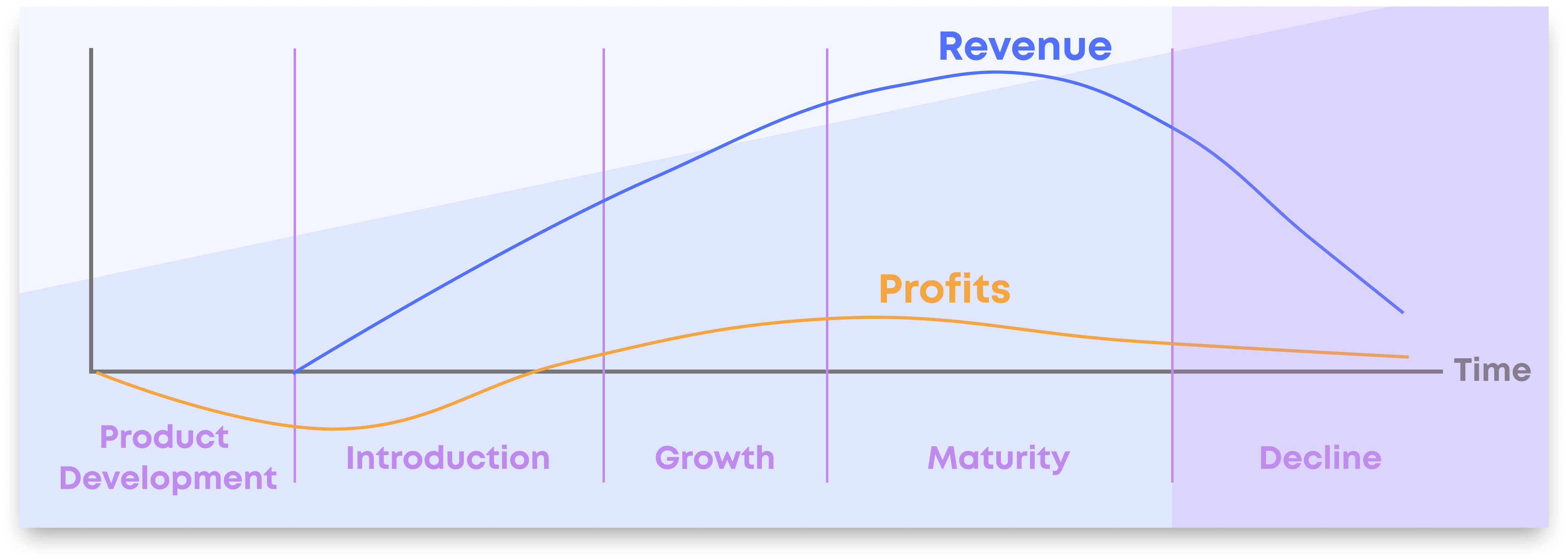
Priceagent's Role: Use the demand curve to find the price floor that maximizes demand volume for the remaining inventory.
- Price Floor Optimization: Accurately determine the price point (low price with high demand) that will move the most units quickly to complete stock clearance.
- Manage Demand Decrease: Forecast the drop-off in demand at the lowest prices to make informed decisions on the extent of price reduction required.
Recommendation: WTP as a Foundation
Price is the foundation of the marketing mix. By treating WTP as a core data asset that must be actively monitored and updated, you empower your entire business strategy—from product feature prioritization to go-to-market communication.